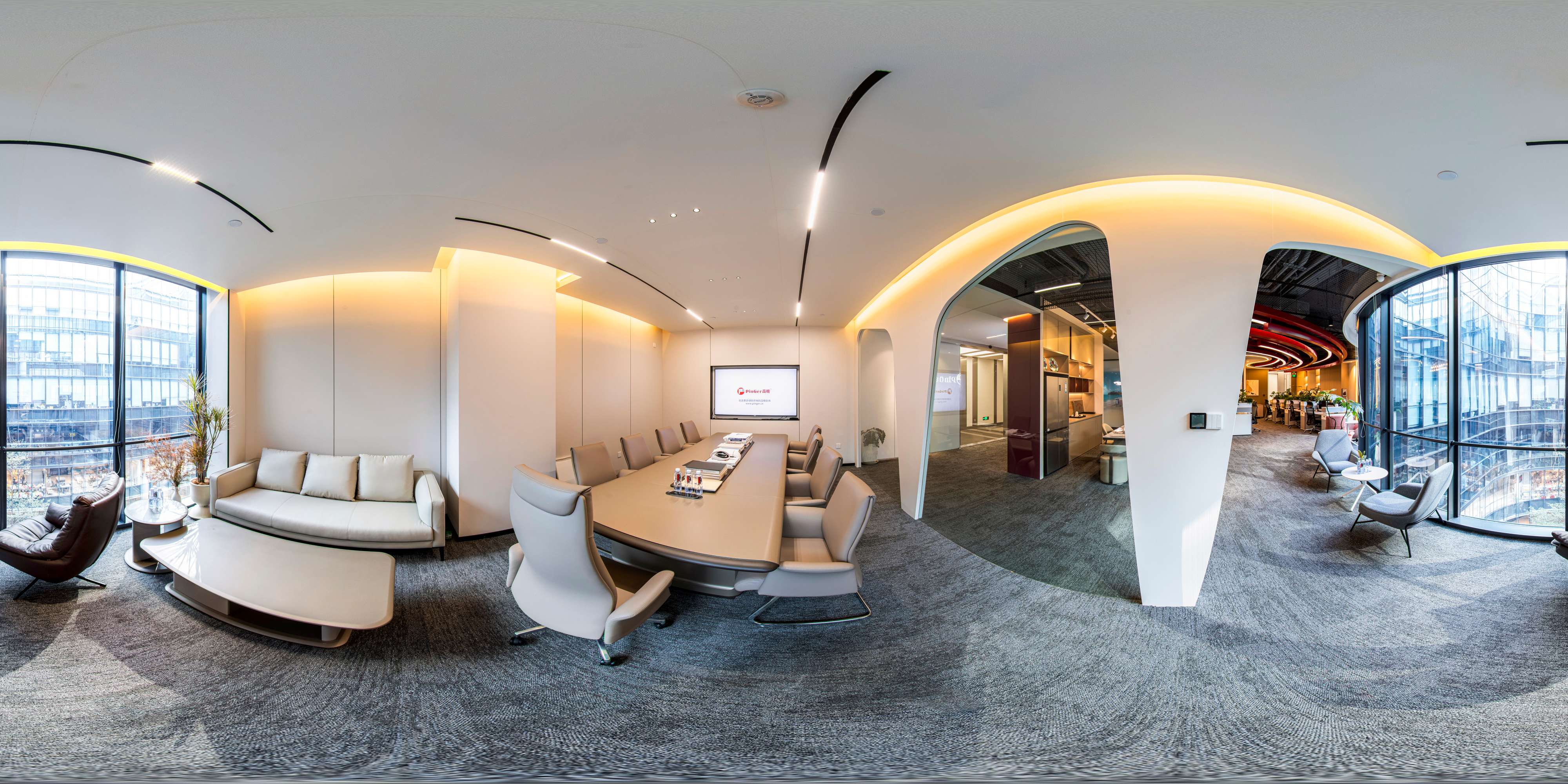
Vinyl wall protection is widely used in hospitals, healthcare facilities, schools, hotels, senior living communities, and other commercial environments where walls are exposed to frequent contact, stains, and daily wear. Although vinyl wall panels are designed to be durable and easy to clean, using the wrong cleaning chemicals or tools can affect their surface appearance and long-term performance.
How should you clean vinyl wall protection?
For Pinger vinyl wall protection panels, routine cleaning is straightforward: remove dust with a clean microfiber cloth, wipe minor stains with warm water, and use a neutral cleaner for more persistent dirt. Dry the surface with a clean cloth after cleaning. Alcohol may also be suitable for certain stains, but it should be tested on an inconspicuous area first.
This guide explains the recommended cleaning process, chemical dos and don'ts, stain removal techniques, and maintenance schedules for commercial vinyl wall protection systems. Whether you manage a hospital, school, office building, or hospitality project, following the right maintenance practices can help keep your wall protection clean and presentable for longer.
Vinyl wall protection does more than prevent scratches and impact damage. In busy commercial environments, it also helps maintain a clean and professional interior appearance while reducing the need for frequent wall repairs and repainting.
However, even durable wall protection materials require appropriate maintenance. Dust, fingerprints, shoe marks, food stains, and cleaning chemical residues can gradually affect the appearance of the surface if they are not addressed properly.
Regular cleaning provides several practical benefits:
For facilities with heavy daily traffic, choosing easy-to-clean materials is only part of the solution. A consistent cleaning routine is equally important.
Explore Pinger Panel's wall protection product range to learn more about solutions designed for healthcare, commercial, educational, and public environments.
The best cleaning method depends on the type of stain and the condition of the wall surface. For most routine maintenance tasks, mild cleaning methods are sufficient. There is no need to use aggressive chemicals for ordinary dust or light marks.
Step 1: Remove surface dust
Use a clean, dry microfiber cloth to remove loose dust and dirt. Avoid using a cloth that contains sand, grit, or other particles, as these may scratch the surface during wiping.
Step 2: Clean minor stains with warm water
For common marks such as fingerprints, footprints, tea stains, and coffee splashes, use a clean cloth dampened with warm water. Wipe gently without applying excessive pressure.
Step 3: Use a neutral cleaner for persistent dirt
If a stain remains after wiping with water, apply a suitable neutral cleaner to a clean cloth and gently wipe the affected area. Follow the cleaner manufacturer's dilution and application instructions. Avoid applying an unfamiliar chemical directly to a large wall surface.
Step 4: Rinse away cleaning residue
If the cleaning product requires rinsing, wipe the area again with a clean cloth and fresh water. This helps prevent detergent residue from remaining on the vinyl surface.
Step 5: Dry the surface completely
Finish with a clean, dry microfiber cloth to remove water marks. Pay particular attention to panel joints, edges, and surrounding trim.
These steps follow the general cleaning guidance provided for Pinger's flexible vinyl wall protection sheet. For other finishes or product configurations, always check the relevant product maintenance instructions.

Pinger's Flexible Vinyl Wall Protection Sheet is designed for areas such as hospitals, corridors, classrooms, conference rooms, and patient or resident rooms, where regular cleaning and dependable wall protection are important.
Choosing the right cleaning chemical is one of the most important parts of vinyl wall protection maintenance. A cleaner that works well on ceramic tiles or stainless steel may not be suitable for every vinyl surface or decorative finish.
The following table provides a practical starting point for facility managers and cleaning teams.
| Cleaning Product | Recommendation | Application |
|---|---|---|
| Warm water | Recommended | Daily dirt and light stains |
| Neutral detergent | Recommended | Persistent dirt and general cleaning |
| Alcohol-based cleaner | Use with caution | Certain difficult stains after spot testing |
| Bleach-based products | Check manufacturer approval | Disinfection only when specifically approved |
| Strong acids and alkalis | Avoid unless approved | Potential surface and finish damage |
| Paint thinners and aggressive solvents | Avoid | May affect surface appearance or finish |
| Powdered abrasive cleaners | Avoid | May scratch or dull the surface |
Important: Never mix different cleaning chemicals, especially bleach and ammonia-based products. Chemical reactions can release hazardous gases. Always follow the safety instructions on cleaning product labels and your facility's infection-control procedures.
Not every cleaning product is suitable for vinyl wall protection. Some chemicals may cause discoloration, surface deterioration, or changes to decorative finishes, particularly when used repeatedly or at excessive concentrations.
Strong solvents: Products containing aggressive solvents, such as paint thinners and certain industrial degreasers, should not be used unless the wall panel manufacturer specifically confirms compatibility.
Abrasive cleaners: Powdered scouring products and abrasive cleaning compounds can leave visible marks on decorative vinyl surfaces.
Harsh acids and alkalis: Highly acidic or alkaline cleaning solutions may affect certain vinyl formulations, coatings, and surface finishes.
Unapproved bleach solutions: Bleach is commonly used in healthcare disinfection programs, but that does not mean every vinyl wall panel can tolerate every bleach concentration or contact time. Check the panel manufacturer's approved chemical compatibility information before use.
Unverified disinfectants: A disinfectant's effectiveness and its compatibility with wall protection are two separate considerations. Confirm both before introducing a new product into a facility cleaning program.
For Pinger vinyl wall protection, neutral cleaners are the preferred starting point for routine stain removal. Alcohol can be used according to the product-specific guidance, but testing in a hidden area is a sensible precaution.
Different stains require different approaches. The most effective approach is to identify the type of stain first and start with the mildest suitable cleaning method.
Footprints and shoe marks
Wipe the affected area using a clean microfiber cloth and warm water. For marks that remain, try a neutral cleaner and wipe gently.
Tea and coffee stains
Clean spills as soon as possible using warm water and a soft cloth. If the stain has dried, use a neutral cleaner according to its instructions and dry the surface afterward.
Fingerprints and everyday dirt
These marks generally require only a damp cloth. In high-contact areas such as corridors, reception spaces, and patient rooms, more frequent light cleaning can prevent dirt accumulation.
Ink and marker stains
Ink can be more difficult to remove, especially if it has remained on the surface for an extended period. Test a compatible alcohol-based cleaning method in an inconspicuous location before treating the visible stain. Avoid vigorous rubbing, which may spread the mark or affect the finish.
Oil and paint stains
Oil-based stains and paint marks require extra care. Do not immediately reach for industrial solvents or paint removers. These products may damage the panel finish. If the stain cannot be removed using an approved cleaning method, contact the supplier for technical advice. In some cases, replacing the affected panel section may be more practical than aggressive chemical cleaning.
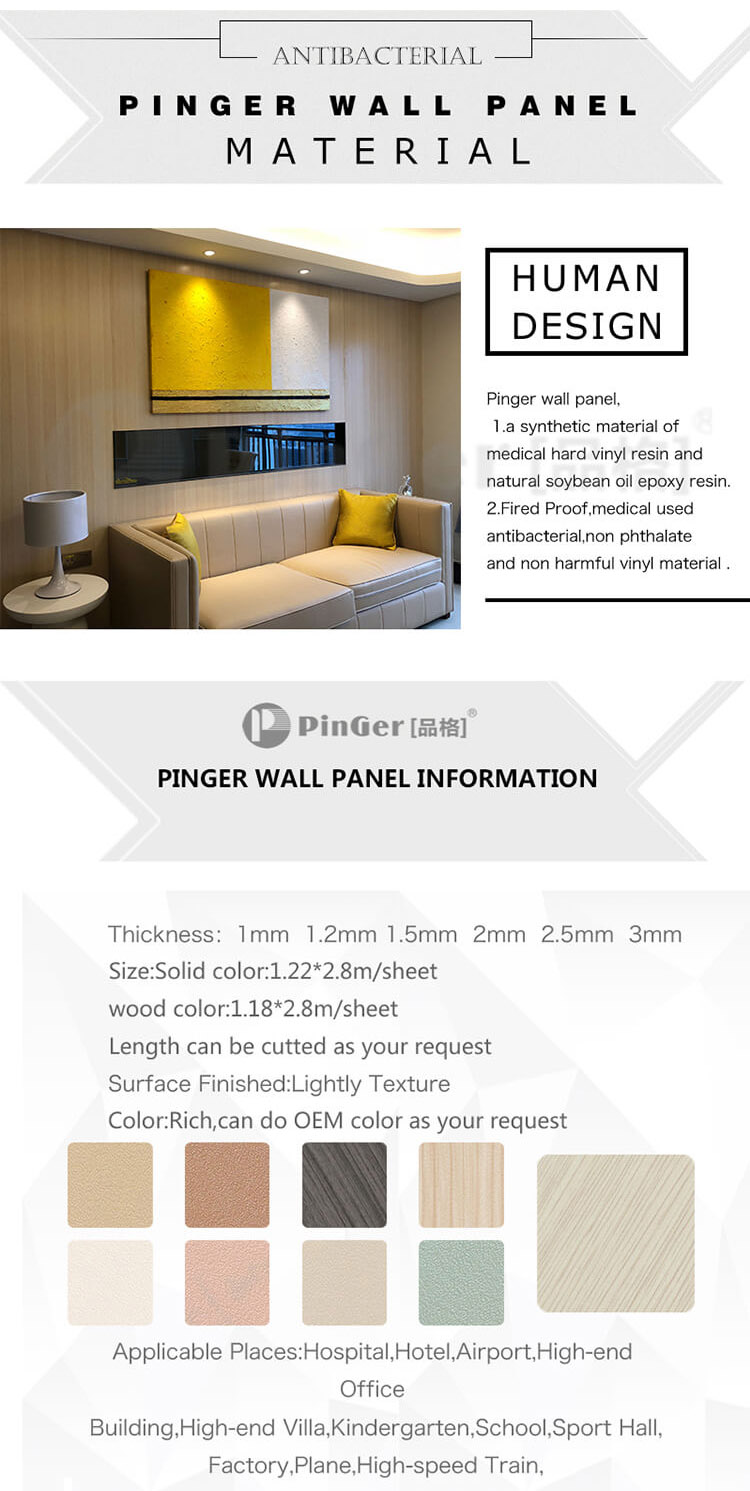
The choice of surface finish also matters. Pinger offers different colors and textures for commercial interiors, so cleaning procedures should take the selected finish into account rather than assuming that every decorative surface responds identically to cleaning chemicals.
Cleaning frequency should reflect the amount of daily traffic, the type of facility, and the likelihood of surface contamination. A private office does not require the same cleaning schedule as a busy hospital corridor or main entrance.
For Pinger's flexible vinyl wall protection sheet, the product maintenance guidance provides the following reference schedule:
| Traffic Level | Typical Location | Routine Cleaning Frequency |
|---|---|---|
| Low | Private offices, changing rooms | Once a month |
| Moderate | Public office corridors, conference rooms | Two to three times a month |
| High | Main entrances, corridors, studios | Once a week |
These are routine maintenance references, not limits on cleaning frequency. Visible dirt, spills, and contamination should be addressed as soon as they occur. Healthcare facilities should also follow their own infection-prevention and disinfection schedules.
For projects involving multiple types of wall protection, it is useful to establish a cleaning plan covering panels, corner guards, handrails, and other high-contact surfaces.
Hospitals and healthcare facilities have more demanding cleaning requirements than most commercial buildings. Wall surfaces may be exposed to frequent contact from patients, visitors, medical carts, beds, and cleaning equipment.
For these environments, maintenance teams should consider several practical points:
It is also important to understand that antibacterial wall panels and disinfected surfaces are not the same thing. Antibacterial material properties do not replace routine cleaning or approved disinfection procedures.
Pinger's antibacterial flexible vinyl wall protection is designed for demanding interior applications where impact resistance, surface maintenance, and hygiene considerations all matter.
Even when high-quality wall protection materials are installed, incorrect cleaning practices can create unnecessary maintenance problems.
Using stronger chemicals than necessary: Many everyday stains can be removed with warm water or a neutral cleaner. More aggressive chemicals do not automatically produce better cleaning results.
Leaving cleaning residue behind: Insufficient rinsing can leave detergent marks and affect the appearance of the surface.
Using dirty cleaning cloths: Reusing contaminated cloths can spread dirt and small abrasive particles across the wall.
Ignoring small stains: Some stains become harder to remove over time. Prompt cleaning is generally easier than dealing with accumulated dirt.
Applying the same chemical to every finish: Decorative textures, coatings, and different vinyl formulations may have different cleaning requirements.
Neglecting damaged areas: Cracked edges, loose trims, and damaged joints should be inspected and repaired. Cleaning alone cannot solve installation or material damage.
Cleaning requirements should be considered before selecting wall protection materials, not only after installation. For architects, contractors, healthcare planners, and facility managers, choosing the right product can make a significant difference to long-term maintenance.
When evaluating vinyl wall protection for a commercial project, consider the following factors:
As a wall protection manufacturer, Pinger Panel provides vinyl wall panels and integrated protection solutions for healthcare, senior living, hospitality, education, and other commercial environments.
Its product range includes rigid and flexible vinyl wall protection, wall guards, corner guards, handrails, and related accessories. These solutions allow project teams to coordinate wall protection across different areas of a building while considering durability, appearance, and ongoing maintenance requirements.
For projects requiring customized specifications, colors, dimensions, or coordinated wall protection systems, working directly with an experienced manufacturer can help ensure that the selected products meet the project's practical requirements.
Can you use alcohol to clean vinyl wall protection?
Alcohol can be used for certain stains on Pinger vinyl wall protection according to its product cleaning guidance. However, compatibility depends on the product formulation and surface finish. Test the cleaner in an inconspicuous area before applying it to a visible section.
What is the best cleaner for vinyl wall panels?
A neutral, non-abrasive cleaner is a practical choice for routine cleaning of Pinger vinyl wall panels. Warm water is usually sufficient for light dirt, fingerprints, and minor stains. Always follow the product-specific maintenance instructions.
Can bleach damage vinyl wall protection?
It depends on the vinyl formulation, bleach concentration, and contact time. Some vinyl products may tolerate approved diluted disinfectants, while others may experience discoloration or finish damage. Do not use bleach unless the manufacturer confirms that the specific product is compatible.
How often should vinyl wall protection be cleaned?
For Pinger flexible vinyl wall protection, the suggested routine frequency ranges from once a month in low-traffic areas to once a week in high-traffic areas. Visible stains and contamination should be cleaned promptly regardless of the scheduled frequency.
Can you use abrasive sponges on vinyl wall panels?
It is better to avoid abrasive sponges, steel wool, and scouring pads that may scratch or dull the surface. Use clean microfiber cloths or other soft cleaning materials instead.
How do you remove stubborn stains from vinyl wall protection?
Start with warm water and a neutral cleaner. For difficult stains, use only a manufacturer-compatible cleaning product after spot testing. Avoid aggressive solvents and excessive scrubbing. Contact the supplier if the stain cannot be removed safely.
Are antibacterial vinyl wall panels maintenance-free?
No. Antibacterial properties do not eliminate the need for regular cleaning and disinfection. Facilities should continue following appropriate hygiene and maintenance procedures.
What should facility managers check during routine wall protection maintenance?
Inspect the surface for stains, scratches, cracks, loose edges, damaged trims, and joint problems. Keeping a record of cleaning products and maintenance activities can also help improve long-term facility management.
Maintaining vinyl wall protection does not require complicated cleaning procedures. The key is to use suitable cleaning products, avoid unnecessary chemical exposure, remove stains promptly, and establish a maintenance schedule based on actual traffic conditions.
For commercial projects, selecting wall protection products that combine durability, cleanability, and practical installation requirements can also reduce long-term maintenance challenges.
Pinger Panel specializes in vinyl wall protection and coordinated interior protection systems for healthcare facilities, schools, hotels, senior living communities, and other commercial spaces. With a range of wall panels, corner guards, wall guards, and handrails, Pinger supports project requirements from product selection to customized manufacturing.
If you are planning a new project or looking for a reliable wall protection manufacturer, contact Pinger Panel to discuss your product specifications and project requirements.


 IPv6 jaringan didukung
 English
 français
 Deutsch
 русский
 italiano
 español
 português
 العربية
 한국의
 Tiếng việt
 Indonesia
 中文