English
 français
 Deutsch
 русский
 italiano
 español
 português
 العربية
 한국의
 Tiếng việt
 Indonesia
 中文
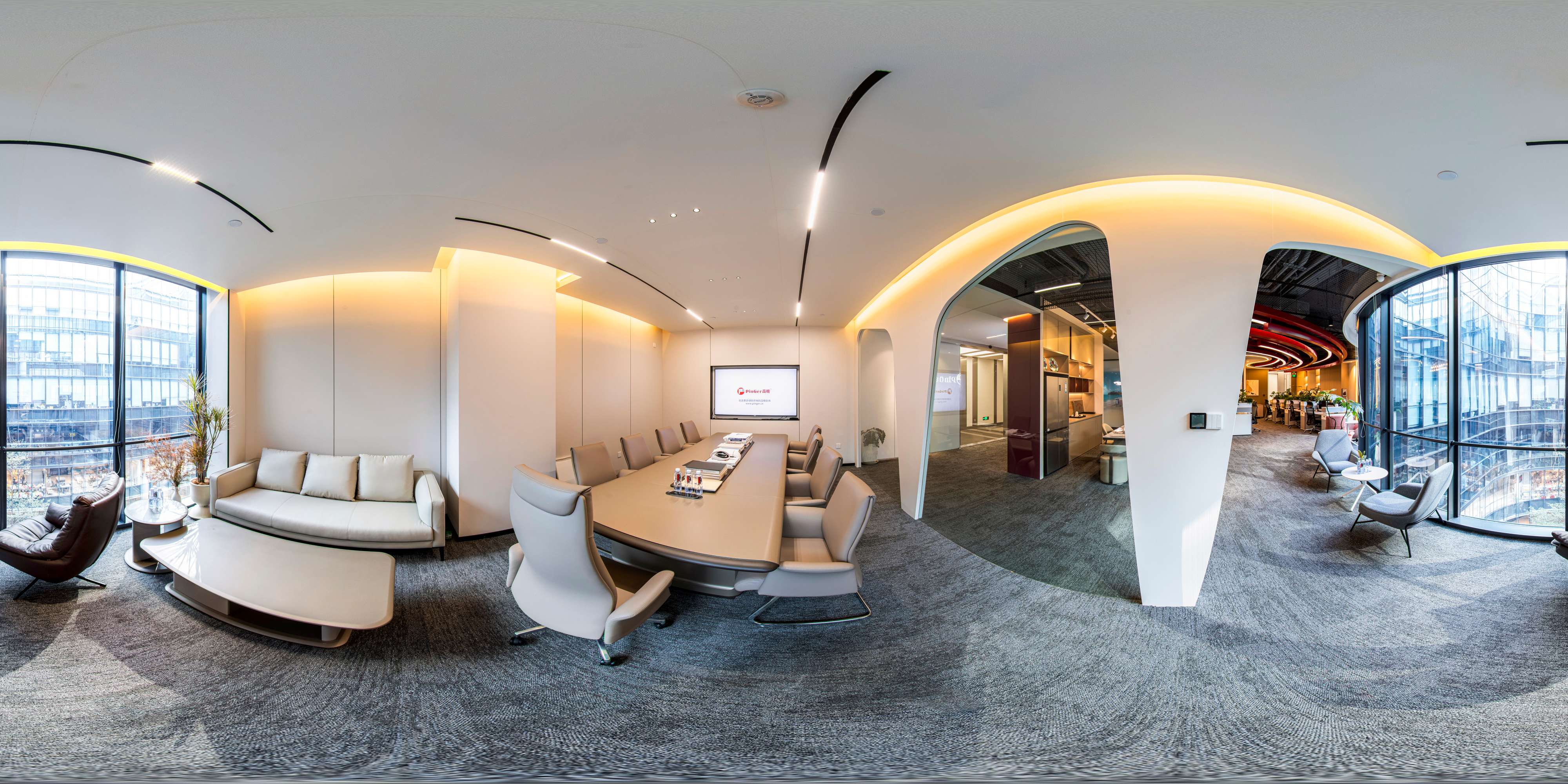
Choosing wall protection is no longer just a matter of durability and appearance. Architects, healthcare facility managers, contractors, and building product specifiers are increasingly evaluating material composition, indoor environmental quality, maintenance requirements, and long-term performance before approving a wall protection system.
One question comes up frequently: should a project specify PVC-free wall protection or conventional PVC wall panels? The answer depends on the building's performance requirements, material restrictions, cleaning protocols, budget, and the documentation required for approval.
At Pinger Panel, wall protection solutions cover demanding environments such as hospitals, cleanrooms, schools, offices, hotels, and other high-traffic commercial spaces. This guide explains the practical differences between PVC-free and PVC wall protection and outlines what specifiers should verify before selecting a product.
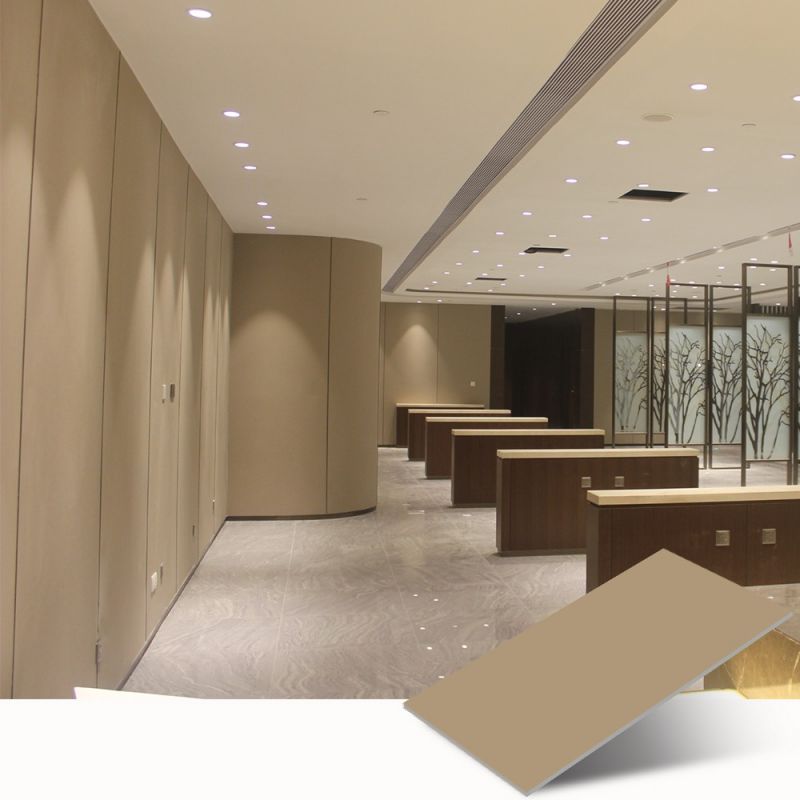
What Is the Difference Between PVC-Free and PVC Wall Protection?
PVC-free wall protection is made without polyvinyl chloride (PVC) as a constituent of the specified material. Conventional PVC wall protection uses PVC as its principal polymer. Both types can be designed to protect interior walls, but their formulations, environmental profiles, physical properties, and compliance requirements may differ.
It is important to distinguish between a material being PVC-free and a product being described as phthalate-free, BPA-free, low-VOC, recyclable, or environmentally preferable. These terms refer to different characteristics and should be supported by the appropriate product documentation.
For example, a PVC-free panel is not automatically free of every potentially concerning chemical, nor does PVC-free status alone establish its fire rating or suitability for a cleanroom. Specifiers should review the complete formulation declaration, technical data sheet, and applicable test reports.
Pinger Panel lists PVC-free material options on its Clean Room Wall Protection product page. The published specifications also identify BPA-free, PBT-free, and phthalate/DEHP-free attributes. Project teams should request current supporting documentation for the exact product and configuration being specified.
How Do the Materials Compare in Real Projects?
Neither PVC-free nor PVC wall protection is the universal choice for every building. A useful comparison starts with the project specification rather than the material label alone.
| Selection factor | PVC-free wall protection | PVC wall protection |
|---|---|---|
| Material composition | Excludes PVC from the defined product material | Uses PVC as the principal polymer |
| Chemical requirements | Verify the full formulation and restricted-substance declarations | Verify plasticizers, additives, and applicable chemical restrictions |
| Impact resistance | Depends on polymer, thickness, construction, and test results | Depends on formulation, thickness, construction, and test results |
| Fire performance | Must be established through the applicable test or classification | Must be established through the applicable test or classification |
| Cleaning and hygiene | Confirm chemical compatibility and cleaning instructions | Confirm chemical compatibility and cleaning instructions |
| Environmental assessment | Review lifecycle evidence, emissions, and end-of-life options | Review lifecycle evidence, emissions, and end-of-life options |
The practical takeaway is straightforward: PVC-free status can help satisfy a material restriction, but it does not replace performance testing. Likewise, PVC-based construction is not, by itself, proof that a wall panel is unsuitable for a demanding commercial environment.
When Should Specifiers Choose PVC-Free Wall Protection?
PVC-free wall protection is worth evaluating when an owner has established a PVC restriction, a project sustainability brief favors alternative polymers, or the design team needs a documented alternative to conventional vinyl materials. It can also be relevant to healthcare and commercial projects where chemical disclosure is part of the procurement process.
Before approval, confirm the exact polymer used, the scope of the PVC-free declaration, the available emissions data, the applicable fire classification, and the resistance required for routine cleaning. If a project requires a particular green building credit or environmental product declaration, verify that the evidence applies to the specified product rather than assuming that PVC-free status automatically qualifies.
For environments with strict cleanliness requirements, Pinger Panel's PVC-free cleanroom wall protection is a relevant starting point for specification review. The published product range includes thickness options from 1 mm to 3 mm, with standard sheet dimensions varying by finish.
Where Can PVC Wall Protection Still Be the Right Choice?
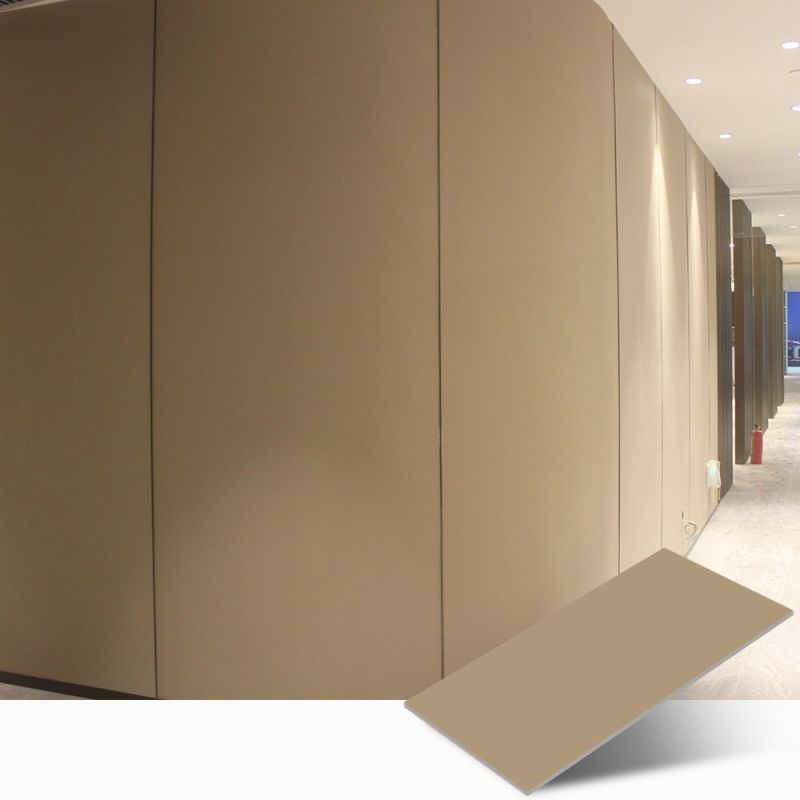
PVC wall protection remains a practical option for many hospitals, schools, hotels, offices, and public buildings when its material composition meets the project requirements and its tested performance matches the intended use.
In busy corridors, patient rooms, classrooms, and service areas, specifiers typically need to balance impact resistance, stain resistance, cleanability, appearance, installation requirements, and replacement costs. The selected panel should withstand the expected traffic and cleaning regime without requiring an unnecessarily complex maintenance program.
Pinger Panel's rigid vinyl wall protection sheets are listed for applications including hospitals, hotels, airports, schools, offices, and other public spaces. The product page lists thickness options from 0.8 mm to 3 mm and standard solid-color and wood-color sheet formats. Confirm the final available configuration with the manufacturer before including it in a project schedule.
For projects requiring a more substantial protective assembly, the right approach may involve combining wall sheets with compatible corner guards, crash rails, or handrails. These components address different impact zones and should be selected as part of a coordinated wall protection system.
Explore the full Pinger Panel wall protection product range to compare panel systems and related protective components for different building applications.
Is PETG a PVC-Free Alternative for Wall Protection?
PETG is a glycol-modified polyethylene terephthalate thermoplastic. Because it is chemically different from PVC, PETG can be considered when a specification calls for a non-PVC material. However, not every PETG wall panel has the same impact performance, fire behavior, surface properties, or chemical resistance.
Material selection should therefore account for the actual panel construction, thickness, mounting method, joints, trim, and cleaning products. A PVC-free sheet does not automatically make the entire installed assembly PVC-free if the adhesive, sealant, or accessories contain PVC.
Pinger Panel offers a dedicated wall panel product range that includes PETG wall panel categories. Ask the manufacturer for the exact PETG product data sheet and current test reports to determine whether a specific option meets the project's requirements.
What Technical Documents Should Be Reviewed Before Specification?
A product description is a useful starting point, but it is not a substitute for technical submittals. Before approving a wall protection system, request documentation that addresses the following items.
- Material declaration: Identify the base polymer and clarify what the PVC-free claim covers, including coatings and composite layers where relevant.
- Fire classification: Check the exact standard, test report, product construction, and installation conditions required by the local building code.
- Impact performance: Review the relevant test method and results for the expected traffic and impact exposure.
- Indoor emissions: Request applicable VOC or emissions test documentation when indoor air quality requirements apply.
- Chemical resistance: Verify compatibility with the disinfectants, detergents, and maintenance chemicals used at the facility.
- Dimensions and installation: Confirm sheet thickness, dimensions, joint details, substrate preparation, adhesive compatibility, and trim.
- Environmental evidence: Request relevant lifecycle assessments, environmental product declarations, recycled-content data, or end-of-life information where required.
For healthcare and cleanroom projects, these checks are especially important because cleaning procedures, hygiene expectations, fire requirements, and installation details may be more demanding than those in ordinary commercial interiors.
How Does Pinger Panel Support Wall Protection Projects?
Pinger Panel supplies wall protection and interior surface solutions for a range of commercial and institutional environments. Its online catalog includes cleanroom wall protection, rigid wall sheets, flexible wall protection sheets, decorative panels, PETG panel categories, and complementary protective components.
For specifiers and procurement teams, the next step is to match the product to the project's material restrictions, required dimensions, finish, performance criteria, and installation details. Where custom colors or dimensions are needed, confirm availability, minimum order quantities, lead times, and sample options directly with the manufacturer.
To discuss a particular project, visit the Pinger Panel website and identify the intended application, required material, panel thickness, fire classification, and cleaning conditions. Providing these details helps the team evaluate a suitable wall protection solution more efficiently.
Frequently Asked Questions About PVC-Free and PVC Wall Protection
What is the main difference between PVC-free and PVC wall protection?
PVC-free wall protection excludes polyvinyl chloride from the defined material, while conventional PVC wall protection uses PVC as its principal polymer. Their suitability depends on formulation, performance testing, and project requirements.
Is PVC-free wall protection always more environmentally friendly?
No. PVC-free status identifies material composition, not the full environmental impact of a product. A meaningful comparison should consider manufacturing, service life, maintenance, emissions, transport, and end-of-life options.
Does PVC-free wall protection meet fire safety requirements?
It can meet specified fire requirements when the exact product has the necessary test results or classification. Specifiers should verify the applicable standard and local code rather than relying on the PVC-free label.
Does Pinger Panel offer PVC-free wall protection?
Yes. Pinger Panel lists PVC-free material options on its Clean Room Wall Protection product page, alongside published material declarations and sheet specifications. Request the current technical documentation for the exact model before specification.
What thicknesses are available for Pinger Panel cleanroom wall protection?
The published Clean Room Wall Protection page lists thickness options of 1 mm, 1.2 mm, 1.5 mm, 2 mm, 2.5 mm, and 3 mm. Confirm the available thickness and finish for the model being quoted.
Is PETG a PVC-free wall protection material?
PETG is a different polymer from PVC and can be used in non-PVC wall panel systems. The material declaration for the finished product and its accessories should still be checked when a project requires a fully PVC-free assembly.
What should specifiers request before approving a wall protection panel?
Request the technical data sheet, material declaration, applicable fire and impact test reports, emissions data where required, chemical compatibility information, installation instructions, and relevant environmental documentation.
Make the Right Wall Protection Decision for Your Project
PVC-free and PVC wall protection can both be viable options when the selected material meets the project's performance and compliance requirements. The most reliable specification is based on verified composition, tested performance, maintenance needs, and lifecycle considerations rather than a single marketing claim.
Explore Pinger Panel's wall protection products to identify options for healthcare, cleanroom, educational, hospitality, and commercial interiors. For a project-specific recommendation, request the relevant technical data and confirm the available material and configuration with the manufacturer.




 IPv6 jaringan didukung